Introduction
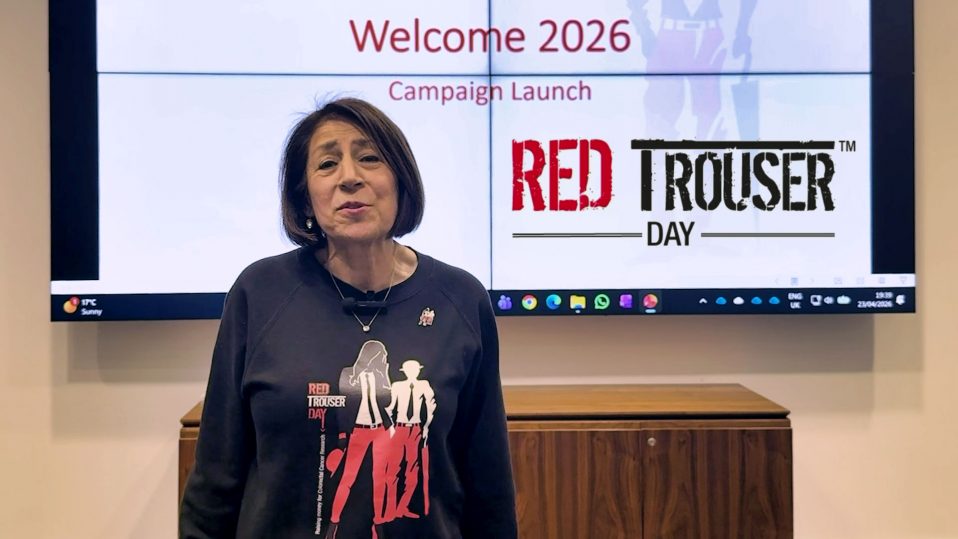
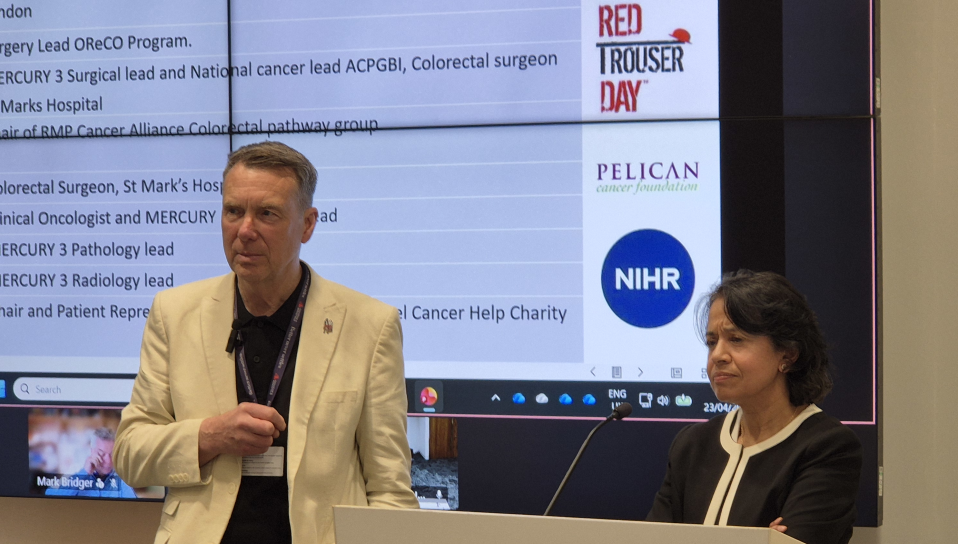
At this years Red Trouser Day Thank You event we were delighted to hear a presentation from Micol Lupi, whose research we have helped fund. She explained the exciting developments in the work that started off as her PhD research, and has now evolved into a world’s first full fledged solution that helps people with anal cancer.
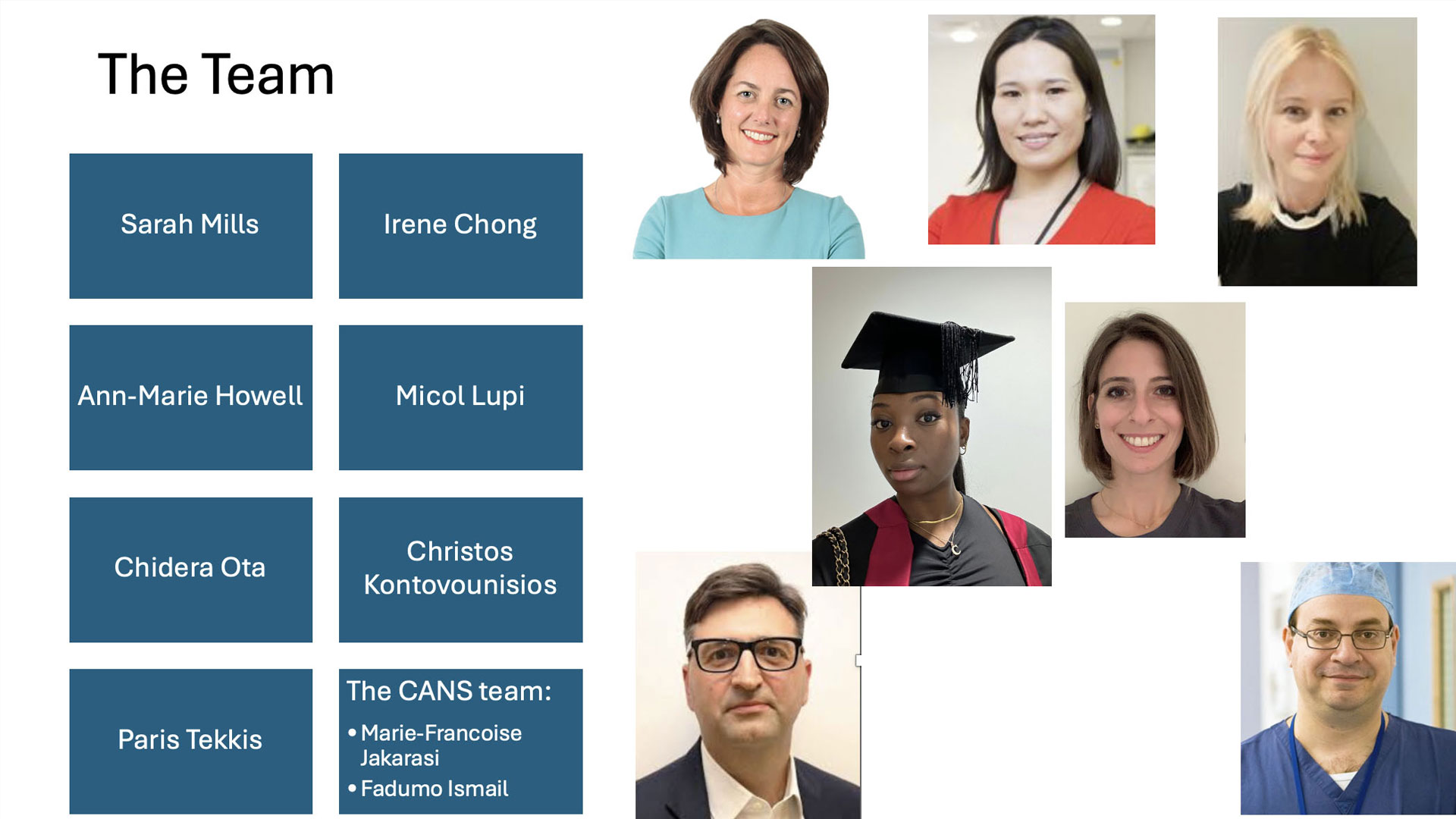
The Team Behind The Research:
The research team studying anal cancer was put together by Miss Sarah Mills BSc (Hons) BMBCh MD(Res) FRCS (Gen Surg)at the Chelsea Westminster NHS Foundation Trust.
The three main pillars of the research work are:
1) mASCARA – the international anal cancer registry
2) The immunogenomic tissue work at the Institute of Cancer Research (ICR) with Dr Irene Chong, which looks at novel drug target discovery
3) The Chelsea Anogenital Neoplasia Service (CANS) at Chelsea Westminster Hospital.
The research focuses on improving the early detection of treatment of anal cancer, ideally before it has even progressed to cancer, i.e. when it is in the precancerous stage called HSIL.
ANCHOR Trial
 The ANCHOR Trial published work to show that we can effectively reduce the risk of anal cancer progression by identifying and treating anal precancer (HSIL). In fact there are now guidelines which recommend anal cancer screening in high-risk populations.
However, good research around anal cancer and precancer (HSIL) is lacking and has to this day mainly focused on people with HIV especially men who have sex with men. This is despite the fact that women represent to 2/3rd of all patients with anal cancer with only 3% of the anal cancer burden being due to HIV.
There is a need for more research to establish solid evidence based anal HSIL screening, treatment and surveillance guidelines as well as discover better treatments for this condition for all high-risk patient groups.
For these reasons my PhD project focused on improving outcomes for high-risk women. In particular RTD helped me fund a national cancer registry request to explore and better understand this disease in high-risk women with genital cancer and pre-cancer.
This data added to the body of evidence demonstrating that cervical and vulval HPV driven disease are an important risks factor for anal cancer in women.
The mASCARA registry
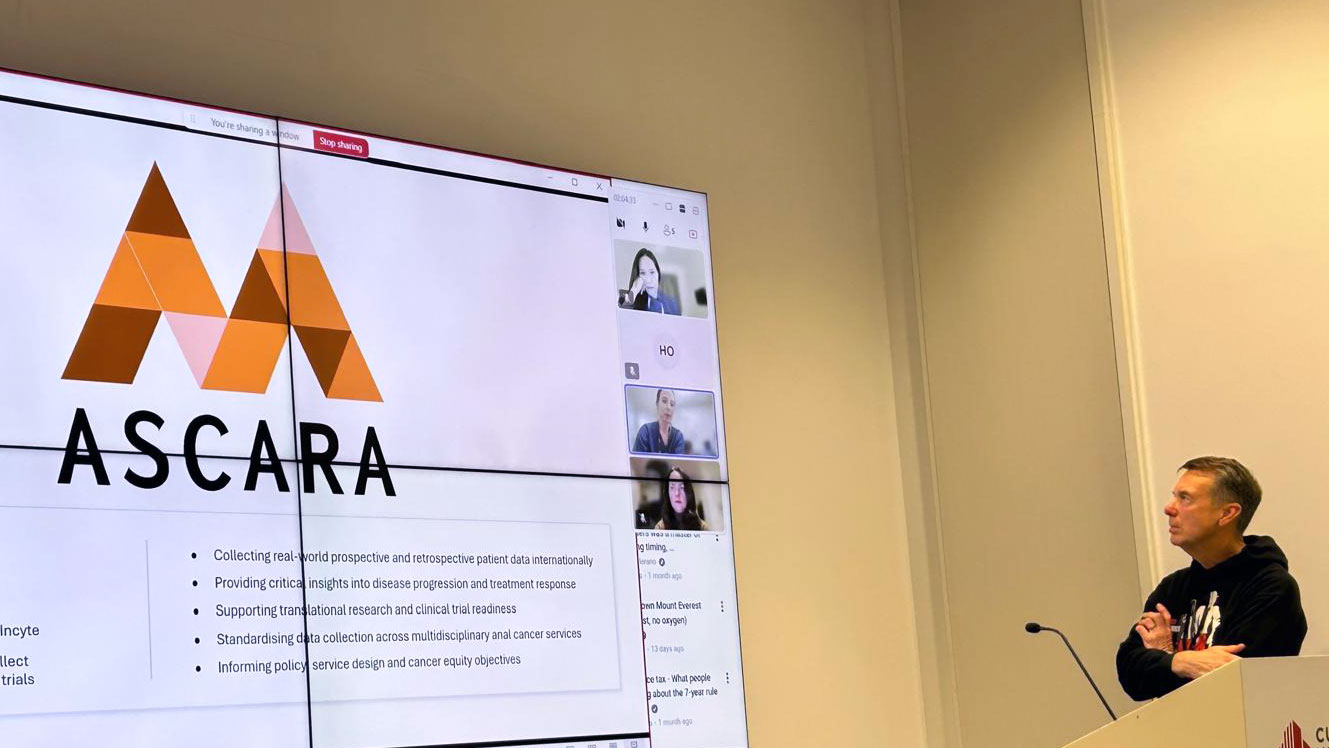
 The Red Trouser Day charity kick-started the mASCARA registry (Multinational Anal Squamous Cell Carcinoma Registry and Audit ). It is the key to collecting good quality and relevant clinical information on the treatment of all anal cancer patients worldwide, in order to drive high quality research on treatment and patient outcomes.
- Collecting real-world prospective and retrospective patient data internationally
- Providing critical insights into disease progression and treatment response
- Supporting translational research and clinical trial readiness
- Standardising data collection across multidisciplinary anal cancer services Informing policy, service design and cancer equity objectives
Why this registry?
‘ Although generic cancer databases exist they are limited to the data available to them. They cannot link, for example, to HIV status or outcomes related anal high grade squamous intraepithelial lesion (HSIL). Neither can they report treatment regimes and recurrence rates.
It is likely that the increasing incidence is related to, at least in part, the increasing prevalence of HIV therefore not including this data is a significant confounding factor. In order to provide a suitable platform to allow further dedicated study into anal SCC, we have developed an international Anal Squamous Cell Carcinoma registry; mASCARA.’
Link (PDF)
Tissue Research
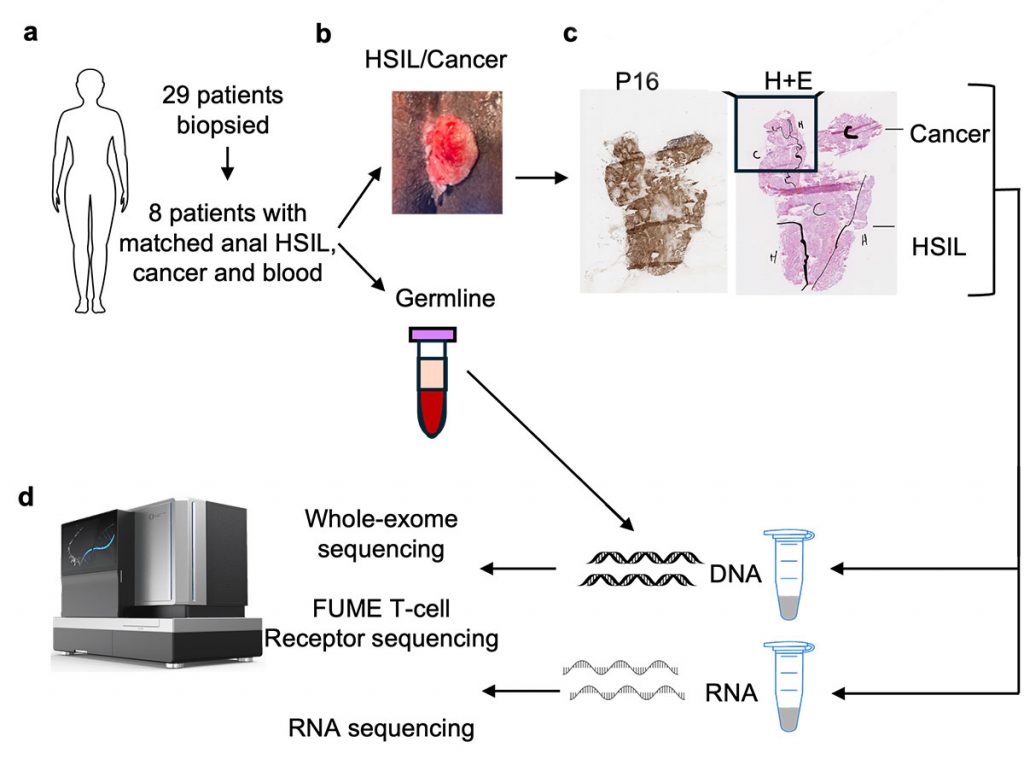
RTD also funded the initial phases of our immunogenomic tissue work by Dr Irene Chong, which has produced results supporting the discovery of neoantigen vaccination for the treatment of anal precancer (HSIL). This will be the next phase of our research venture at the ICR.
‘Immunogenomic tissue work’ refers to the integrated study of both the genes within a tissue (especially tumour cells), and the genes influencing the local immune response to understand the complex interactions in that specific microenvironment. This work is primarily focused on advancing personalised medicine, particularly in the field of cancer immunotherapy.
CANS (Chelsea Anogenital Neoplasia Service)
As part of my PhD we were awarded a 200k grant to set up the CANS at Chelsea Westminster NHS Foundation Trust. This is a multidisciplinary service which focuses on the identification and treatment of anal HSIL in ALL high-risk populations.
 The new Chelsea Anogenital Neoplasia Service (CANS) is a bespoke, multi-disciplinary tertiary referral service for patients with anal pre-cancer (HSIL). CANS works to identify and treat anal pre-cancer in high-risk patients, with the aim of reducing the number of patients presenting with late-stage anal cancer.
The service delivers best practice for the screening, treatment and surveillance of anal pre-cancer in all high-risk patients, with a specific focus on high-risk women.
The service is a clinical partnership between HIV and sexual health, gynaecology and colorectal teams to improve patient experience and reduce the burden of multiple care episodes for women with multi-zonal anogenital disease. It also focuses on clinical and community engagement to improve education on human papillomavirus (HPV) related disease.
“ I think the most rewarding aspect of our research so far has been setting up the CANS. The service has been extremely well received by patients, especially by women with anogenital neoplasia who are so grateful to finally be under the care of a service which understands their pathology and actively strives to improve their care and management through its clinical research. Their cancer and anal cancer risk has been neglected and underestimated for such a long time now, it really is amazing to be able to address this via CANS. ” Micol Lupi
For more information visit > https://www.chelwest.nhs.uk/services/medicine/cancer-services/types/anal-cancer
Conclusion
Our aim at the Red Trouser Day is use the money raised by out volunteers to fund meaningful cancer research with real-world impact. As such we could not be happier to have helped advance the work of Micol and her fellow healthcare professionals.
It can take a long time for our initial seed funding to bear fruition, and we are never really sure that academic research will eventually impact the lives of those with cancer. However as Micol explained in her presentation, her academic research evolved into a world-first solution for identifying and treating anal cancer, a type of cancer that was grossly underserved by the existing medical system.
Thanks to their work many woman and underprivileged individuals now have a chance at a normal life after their illness.
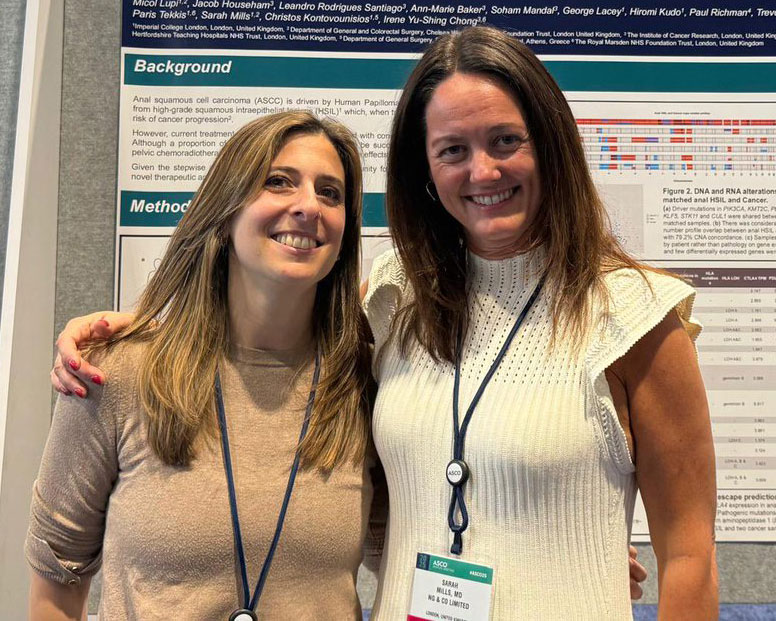
Micol Lupi (left) and Sarah Mills
“ It has been an absolute honour to have been supported by such an incredible charity and we will be eternally grateful as we could not have done any of this without the ongoing support of the RTD charity.”
Micol Lupi